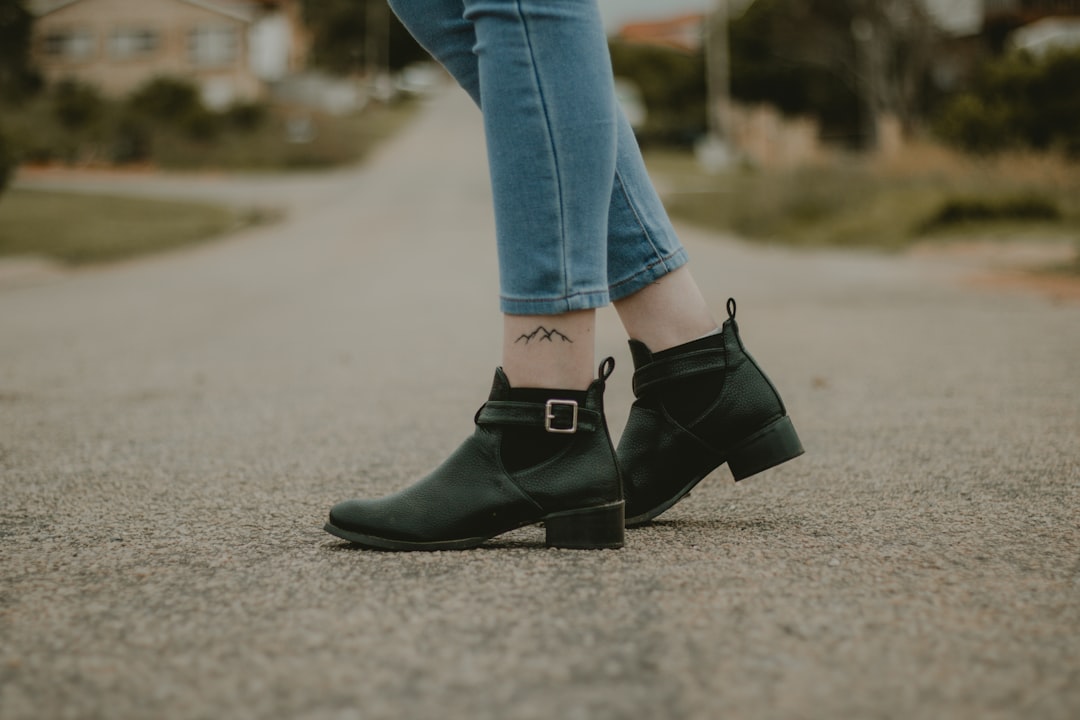
Walking 10,000 steps a day has become a popular benchmark for physical activity, often touted as a simple yet effective way to enhance overall health. This target, which translates to roughly five miles depending on an individual’s stride length, is associated with numerous health benefits. Engaging in this level of daily activity can significantly improve cardiovascular health by strengthening the heart and improving circulation.
Regular walking helps lower blood pressure and cholesterol levels, reducing the risk of heart disease and stroke. Furthermore, studies have shown that individuals who consistently meet or exceed this step count experience lower rates of chronic illnesses such as diabetes and certain types of cancer. Beyond physical health, walking 10,000 steps daily can also have profound effects on mental well-being.
Physical activity is known to release endorphins, the body’s natural mood lifters, which can alleviate symptoms of anxiety and depression. Walking outdoors, in particular, can enhance these benefits by providing exposure to natural light and fresh air, which are both crucial for mental health. Additionally, the rhythmic nature of walking can serve as a form of moving meditation, allowing individuals to clear their minds and reduce stress.
The cumulative effect of these benefits contributes to an overall improved quality of life, making the 10,000-step goal a worthwhile pursuit for many.
Key Takeaways
- Walking 10,000 steps a day can improve cardiovascular health, boost mood, and aid in weight management
- Start with a realistic goal and gradually increase daily step count to avoid burnout
- Walk during breaks, use stairs, and park farther away to easily incorporate walking into your daily routine
- Use fitness trackers and smartphone apps to monitor and analyze your daily steps
- Incorporate interval training, uphill walking, and strength training to maximize weight loss and muscle toning
- Walking more steps can increase calorie burn and contribute to weight loss
- Combine walking with strength training and other exercises for a well-rounded fitness routine
- Regularly assess your progress and make necessary adjustments to continue seeing weight loss results
Setting achievable goals for increasing daily step count
To successfully increase your daily step count, it is essential to set realistic and achievable goals. Starting with a baseline measurement is crucial; this involves tracking your current average steps for a week without making any changes to your routine. Once you have established this baseline, you can gradually increase your step count by 10% each week.
This incremental approach helps prevent injury and burnout while allowing your body to adapt to increased activity levels. For instance, if you currently average 5,000 steps per day, aim for 5,500 steps in the following week, then 6,050 the week after that. In addition to gradual increases, it is beneficial to set specific short-term and long-term goals.
Short-term goals could include reaching a certain number of steps by the end of the week or incorporating additional walking sessions into your day. Long-term goals might involve participating in a charity walk or setting a target for a specific number of steps per month. By breaking down your objectives into manageable milestones, you create a sense of accomplishment that can motivate you to continue progressing.
Celebrating these small victories along the way reinforces positive behavior and keeps you engaged in your walking journey.
Incorporating walking into your daily routine

Integrating walking into your daily routine can be both simple and enjoyable. One effective strategy is to identify opportunities throughout your day where you can add extra steps without significantly altering your schedule. For example, consider parking further away from your destination or taking the stairs instead of the elevator.
These small adjustments can accumulate over time and contribute significantly to your daily step count. Additionally, consider scheduling regular walking breaks during your workday; even a brief 5-10 minute walk every hour can help you reach your step goals while also boosting productivity and focus. Another way to incorporate walking into your routine is by making it a social activity.
Invite friends or family members to join you for walks in the park or around your neighborhood. This not only makes the experience more enjoyable but also fosters accountability; when others are involved, you are more likely to stick to your walking commitments. Furthermore, consider combining walking with other activities you enjoy, such as listening to podcasts or audiobooks, which can make the time spent walking feel less like exercise and more like leisure.
Utilizing technology to track and monitor daily steps
| Date | Steps Taken | Distance Covered (in miles) | Calories Burned |
|---|---|---|---|
| 01/01/2022 | 8,500 | 4.2 | 300 |
| 01/02/2022 | 10,200 | 5.1 | 350 |
| 01/03/2022 | 9,800 | 4.9 | 320 |
In today’s digital age, technology plays a pivotal role in helping individuals track their physical activity. Wearable devices such as fitness trackers and smartwatches have become increasingly popular for monitoring daily steps. These devices not only count steps but often provide additional insights into heart rate, calories burned, and even sleep patterns.
By utilizing such technology, individuals can gain a clearer understanding of their activity levels and make informed decisions about their fitness routines. Mobile applications also offer robust features for tracking daily steps and setting goals. Many apps allow users to log their activities manually or sync with wearable devices for automatic updates.
Some applications even include social features that enable users to connect with friends or join challenges, fostering a sense of community and motivation. By regularly reviewing your progress through these technological tools, you can identify patterns in your activity levels and make necessary adjustments to ensure you stay on track with your walking goals.
Adding variety to your walking routine to maximize weight loss
To maximize weight loss through walking, it is essential to introduce variety into your routine. Walking at a consistent pace can become monotonous over time, leading to decreased motivation and potential plateaus in weight loss progress. One effective method for adding variety is incorporating interval training into your walks.
This involves alternating between periods of brisk walking and slower-paced recovery segments. For example, after warming up for five minutes at a moderate pace, you might walk briskly for one minute followed by two minutes at a slower pace. This approach not only keeps your workouts interesting but also elevates your heart rate more effectively than steady-state walking alone.
Another way to diversify your walking routine is by exploring different terrains and environments. Walking on varied surfaces such as hills, trails, or sandy beaches can engage different muscle groups and increase calorie expenditure. Additionally, consider incorporating walking workouts that include strength elements; for instance, you could perform bodyweight exercises like squats or lunges at intervals during your walk.
This combination of cardiovascular exercise with strength training not only enhances weight loss but also improves overall fitness levels.
Understanding the connection between daily steps and calorie burn

Body Weight and Calorie Burn
Body weight plays a significant role in the number of calories burned per step. Heavier individuals tend to burn more calories per step than lighter individuals due to the increased energy required for movement.
Calorie Burn through Walking
On average, walking 10,000 steps can burn anywhere from 300 to 500 calories, depending on factors such as speed and terrain. To better understand how many calories you are burning through walking, consider using a calorie calculator that takes into account your weight, distance walked, and pace. This information can help you set realistic expectations regarding weight loss goals based on your daily step count.
Combining Walking with Other Exercises
Additionally, combining walking with other forms of exercise can further enhance calorie burn. For instance, incorporating strength training or high-intensity interval training (HIIT) into your weekly routine can create a more significant caloric deficit necessary for weight loss.
Incorporating strength training and other exercises to complement walking
While walking is an excellent form of cardiovascular exercise, incorporating strength training into your fitness regimen can provide additional benefits that enhance overall health and support weight loss efforts.
Aim to include strength training exercises at least two days per week, focusing on major muscle groups such as legs, back, chest, and core.
In addition to traditional strength training exercises using weights or resistance bands, consider functional movements that mimic everyday activities. Exercises like squats, lunges, push-ups, and planks can be performed anywhere and require minimal equipment. These movements not only improve strength but also enhance balance and coordination—key components of overall fitness that can benefit your walking routine as well.
Monitoring progress and adjusting your walking routine for continued weight loss
Monitoring progress is crucial for maintaining motivation and ensuring continued success in achieving weight loss goals through walking. Regularly assessing your step count and evaluating how it aligns with your objectives allows you to make informed adjustments as needed. For instance, if you find that you are consistently meeting your step goals but not seeing desired results in weight loss, it may be time to increase your daily target or incorporate additional forms of exercise into your routine.
Additionally, keeping a journal or using an app to log not just steps but also dietary habits can provide valuable insights into how various factors contribute to weight loss progress.
By remaining flexible and open to adjusting both your walking routine and dietary choices based on ongoing assessments of progress, you can create a sustainable path toward achieving long-term weight loss goals while enjoying the myriad benefits that come from regular physical activity.
If you’re looking to incorporate more physical activity into your daily routine, aiming for 10,000 steps a day is a great goal to strive for. Walking is a simple and effective way to improve your overall health and aid in weight loss. For more tips on how to maximize the benefits of walking for weight loss, check out this article on NextGenHut. It provides valuable insights and strategies to help you reach your fitness goals through walking.
FAQs
What is the 10000 steps a day for weight loss method?
The 10000 steps a day for weight loss method is a popular fitness goal that encourages individuals to walk 10000 steps each day to promote weight loss and improve overall health.
Is walking 10000 steps a day effective for weight loss?
Walking 10000 steps a day can be effective for weight loss as it helps to increase physical activity and burn calories. However, the effectiveness may vary depending on individual factors such as diet, metabolism, and overall lifestyle.
How many miles is 10000 steps?
On average, 10000 steps is roughly equivalent to walking 5 miles, although the distance can vary based on an individual’s stride length and pace.
What are the benefits of walking 10000 steps a day?
Walking 10000 steps a day can have numerous benefits including weight loss, improved cardiovascular health, increased stamina, enhanced mood, and reduced risk of chronic diseases such as diabetes and heart disease.
How can I track my steps to reach 10000 steps a day?
There are various methods to track your steps including using pedometers, fitness trackers, smartphone apps, or wearable devices. These tools can help you monitor your daily step count and progress towards reaching 10000 steps.
Is 10000 steps a day suitable for everyone?
While walking 10000 steps a day can be a beneficial goal for many individuals, it may not be suitable for everyone, especially those with certain medical conditions or physical limitations. It’s important to consult with a healthcare professional before starting any new exercise regimen.