In today’s fast-paced work environment, many professionals find themselves tethered to their desks for extended periods. This sedentary lifestyle can lead to a myriad of health issues, including obesity, cardiovascular disease, and musculoskeletal disorders. The importance of staying active at the desk cannot be overstated; it is essential not only for physical health but also for mental well-being.
Engaging in regular movement throughout the workday can enhance productivity, improve focus, and reduce stress levels. When employees incorporate physical activity into their daily routines, they often experience increased energy levels and a greater sense of job satisfaction. Moreover, the act of moving around during the workday can stimulate creativity and problem-solving abilities.
Research has shown that physical activity increases blood flow to the brain, which can enhance cognitive function. For IT professionals, who often face complex challenges requiring innovative thinking, this boost in mental acuity can be particularly beneficial. By prioritizing movement, individuals can create a more dynamic work environment that fosters collaboration and innovation, ultimately leading to better outcomes for both employees and organizations.
Key Takeaways
- Staying active at the desk is important for overall health and well-being, especially for IT professionals who spend long hours sitting.
- Simple exercises like desk stretches, chair squats, and standing calf raises can easily be incorporated into your workday to keep your body moving.
- Stretching techniques such as neck rolls, shoulder stretches, and wrist flexor stretches can help relieve tension and prevent stiffness from prolonged sitting.
- Regular movement throughout the day can improve circulation, reduce muscle fatigue, and increase productivity for IT professionals.
- Maintaining good posture at the desk is crucial for preventing back and neck pain, and can be achieved by adjusting chair height, using a footrest, and taking regular breaks to stretch and move.
Simple Exercises to Incorporate into Your Workday
Incorporating simple exercises into your workday doesn’t require a complete overhaul of your schedule. Small adjustments can yield significant benefits. For instance, standing up to take phone calls or using a walking desk can seamlessly integrate movement into your routine.
Additionally, consider setting a timer to remind yourself to stand up and stretch every hour. This practice not only breaks the monotony of sitting but also helps to alleviate stiffness and improve circulation. Another effective exercise is the chair squat.
While seated, stand up without using your hands for support, then lower yourself back down into the chair. This movement engages the leg muscles and promotes better blood flow. Similarly, desk push-ups can be performed by placing your hands on the edge of your desk and stepping back to perform a modified push-up.
These exercises are discreet enough to be done in an office setting while providing a quick energy boost and enhancing overall fitness.
Stretching Techniques to Relieve Desk-Related Tension

Desk-related tension is a common complaint among professionals who spend long hours in front of a computer screen. Stretching techniques can be incredibly effective in alleviating this discomfort. One popular method is the neck stretch, which involves gently tilting your head to one side while holding the opposite arm down to create a stretch along the side of the neck.
This simple movement can relieve tension that builds up from poor posture or prolonged sitting. Another beneficial stretch is the seated spinal twist. While sitting upright in your chair, place one hand on the back of your chair and twist your torso gently in that direction while keeping your hips facing forward.
This stretch not only helps to relieve tension in the back but also promotes spinal flexibility. Incorporating these stretching techniques into your daily routine can significantly reduce discomfort and improve overall mobility.
Benefits of Regular Movement for IT Professionals
| Benefits of Regular Movement for IT Professionals |
|---|
| 1. Improved focus and concentration |
| 2. Reduced risk of musculoskeletal disorders |
| 3. Increased energy levels |
| 4. Better stress management |
| 5. Enhanced creativity and problem-solving skills |
| 6. Lowered risk of chronic diseases |
| 7. Improved posture and flexibility |
For IT professionals, who often engage in prolonged periods of focused work, regular movement is particularly crucial. The benefits extend beyond physical health; they also encompass mental clarity and emotional resilience. Engaging in physical activity has been shown to release endorphins, which are natural mood lifters.
This can be especially important in high-stress environments where deadlines loom and projects demand intense concentration. Furthermore, regular movement can enhance collaboration among team members. When employees take breaks to stretch or engage in light exercise together, it fosters camaraderie and strengthens workplace relationships.
This social interaction can lead to improved communication and teamwork, ultimately benefiting project outcomes. In an industry where innovation is key, maintaining a healthy balance between physical activity and work responsibilities can lead to more creative solutions and a more engaged workforce.
Tips for Maintaining Good Posture at the Desk
Maintaining good posture at the desk is essential for preventing discomfort and long-term health issues. One fundamental tip is to ensure that your chair is adjusted correctly; your feet should rest flat on the floor while your knees are at a 90-degree angle. Additionally, your computer screen should be at eye level to prevent straining your neck.
Using an ergonomic chair designed to support the natural curve of your spine can also make a significant difference in maintaining proper posture throughout the day. Another important aspect of good posture is being mindful of how you sit. Avoid slouching or leaning forward excessively, as this can lead to back pain and discomfort over time.
Instead, practice sitting back in your chair with your shoulders relaxed and your back supported. Taking short breaks to stand up and walk around can also help reset your posture and alleviate any tension that may have built up during prolonged sitting.
How to Combat the Negative Effects of Prolonged Sitting

Prolonged sitting has been linked to various health risks, including obesity, diabetes, and cardiovascular disease.
One effective strategy is to use a standing desk or an adjustable desk that allows you to alternate between sitting and standing throughout the day.
This change in position can help reduce the risks associated with extended periods of inactivity. In addition to changing your workstation setup, consider integrating short bursts of activity into your day.
Engaging in regular physical activity outside of work hours is also crucial; aim for at least 150 minutes of moderate aerobic exercise each week, as recommended by health organizations. By taking proactive steps to counteract the effects of prolonged sitting, you can significantly improve your overall health and well-being.
Incorporating Desk Exercises into Your Daily Routine
Incorporating desk exercises into your daily routine requires minimal effort but can yield substantial benefits over time. Start by identifying specific times during your day when you can dedicate a few minutes to movement—perhaps during breaks or before meetings. Simple exercises like seated leg lifts or ankle circles can be performed discreetly at your desk without drawing attention from colleagues.
Another effective approach is to create a mini workout plan that includes various exercises targeting different muscle groups throughout the week. For instance, dedicate Mondays to upper body exercises like desk push-ups and tricep dips using your chair, while reserving Wednesdays for lower body movements such as calf raises or seated marches. By establishing a structured routine that incorporates these exercises into your workday, you can make physical activity a consistent part of your professional life.
Creating a Healthy Workspace for Physical Activity
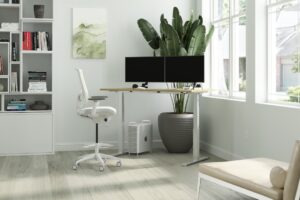
Creating a healthy workspace conducive to physical activity involves thoughtful planning and organization. Start by evaluating your current setup; consider investing in ergonomic furniture that promotes comfort and encourages movement. For example, an adjustable standing desk allows you to alternate between sitting and standing positions throughout the day, reducing the risks associated with prolonged sitting.
Additionally, consider incorporating elements that encourage movement within your workspace itself. Placing a stability ball at your desk can serve as an alternative seating option that engages core muscles while promoting better posture. You might also designate specific areas for stretching or light exercises within the office space—perhaps a corner with yoga mats or resistance bands readily available for use during breaks.
By fostering an environment that prioritizes physical activity, you not only enhance your own well-being but also inspire colleagues to adopt healthier habits as well.
If you’re an IT professional looking to stay active while working at your desk, you may want to check out this article on NextGenHut that offers tips on incorporating desk exercises into your daily routine. These exercises can help improve your posture, reduce muscle tension, and increase overall productivity. By taking a few minutes each day to stretch and move, you can combat the negative effects of sitting for long periods of time and improve your overall well-being.
FAQs
What are desk exercises for IT professionals?
Desk exercises for IT professionals are a series of physical activities that can be performed at a desk or in a seated position to help combat the negative effects of prolonged sitting and improve overall health and well-being.
Why are desk exercises important for IT professionals?
Desk exercises are important for IT professionals because they can help reduce the risk of developing musculoskeletal issues, improve posture, increase energy levels, and alleviate stress and tension that can result from long hours of sitting and working at a computer.
What are some examples of desk exercises for IT professionals?
Examples of desk exercises for IT professionals include neck stretches, shoulder rolls, wrist stretches, seated leg lifts, chair squats, and seated spinal twists. These exercises are designed to target areas of the body that are commonly affected by prolonged sitting.
How often should IT professionals perform desk exercises?
IT professionals should aim to perform desk exercises at least once every hour to combat the negative effects of prolonged sitting. Taking short breaks to perform these exercises can help improve circulation, reduce stiffness, and increase productivity.
Are there any specific ergonomic considerations for IT professionals when performing desk exercises?
Yes, IT professionals should ensure that their workstation is set up ergonomically to support proper posture and movement during desk exercises. This includes having an adjustable chair, maintaining proper monitor and keyboard height, and using a footrest if needed. It’s also important to take regular breaks and vary tasks throughout the day to avoid overuse of specific muscles.