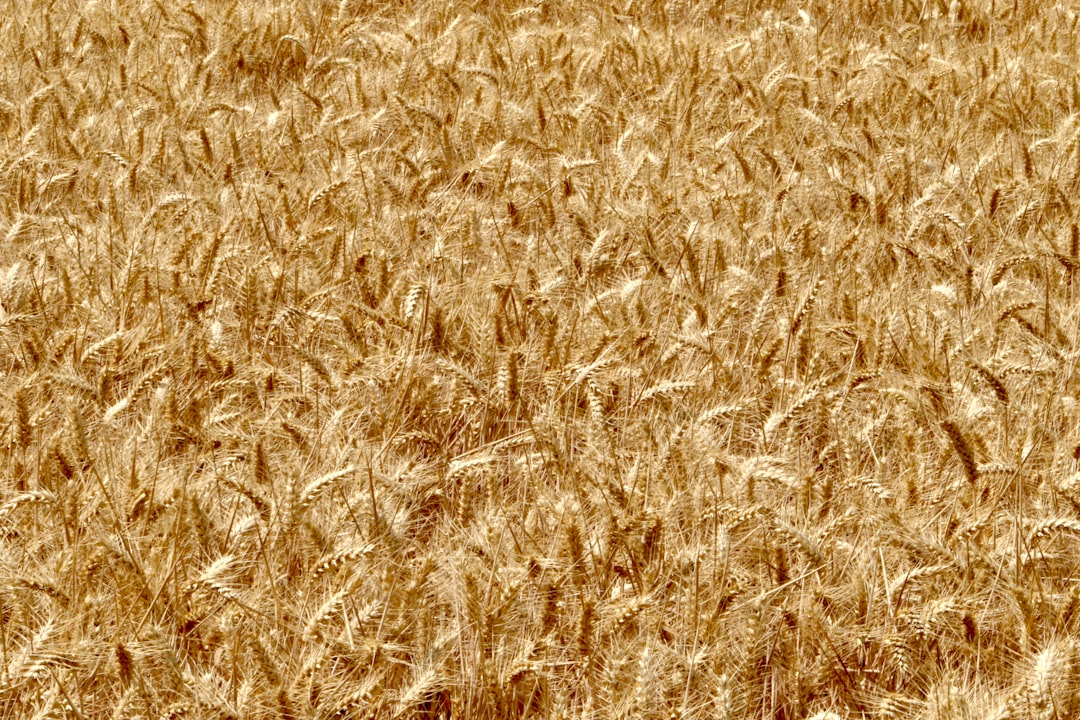
Millets are a group of small-seeded grasses that have been cultivated for thousands of years, primarily in Asia and Africa. These ancient grains are often overshadowed by more popular cereals like rice and wheat, yet they hold a significant place in the agricultural history of many cultures. Millets are known for their resilience and adaptability, thriving in arid and semi-arid regions where other crops may fail.
This characteristic makes them an essential food source in areas prone to drought, contributing to food security in vulnerable populations. The diversity of millets is remarkable, encompassing various species such as pearl millet, finger millet, foxtail millet, and barnyard millet, each with unique flavors, textures, and nutritional profiles. As global interest in sustainable agriculture and health-conscious eating rises, millets are experiencing a renaissance.
They are being rediscovered not only for their nutritional benefits but also for their potential to support sustainable farming practices. This article delves into the multifaceted advantages of millets, exploring their nutritional, health, environmental, culinary, economic, and cultural significance.
Key Takeaways
- Millets are a group of small-seeded grasses that have been cultivated for thousands of years and are known for their resilience and nutritional value.
- Millets are rich in nutrients such as fiber, protein, and essential minerals, making them a healthy addition to any diet.
- Consuming millets can help in managing diabetes, reducing the risk of heart disease, and promoting digestive health.
- Millet cultivation requires less water and is more environmentally sustainable compared to other grains, making it a great option for sustainable agriculture.
- Millets can be used in a variety of dishes, including porridge, bread, and even alcoholic beverages, adding diversity and flavor to your meals.
Nutritional Benefits of Millets
Nutrient-Rich Profile
For instance, pearl millet is particularly high in iron and calcium, making it an excellent choice for individuals at risk of deficiencies. Additionally, millets contain significant amounts of B vitamins, including niacin, riboflavin, and folic acid, which play crucial roles in energy metabolism and overall health.
High Fiber Content
One of the standout features of millets is their high fiber content. This dietary fiber aids in digestion and helps maintain a healthy gut microbiome. The soluble fiber found in millets can also help regulate blood sugar levels by slowing down the absorption of glucose into the bloodstream.
Ideal for Health Management
This makes millets an ideal food choice for individuals with diabetes or those looking to manage their weight. Furthermore, the low glycemic index of millets means they provide sustained energy without causing spikes in blood sugar levels.
Health Benefits of Millets
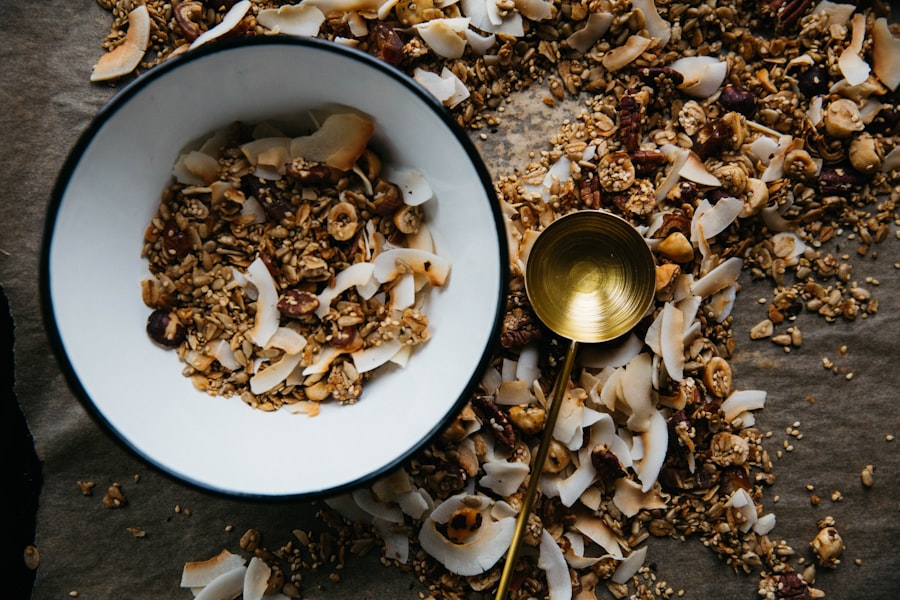
The health benefits of millets extend beyond their nutritional content. Regular consumption of millets has been linked to various health improvements.
Studies have shown that incorporating whole grains like millets into one’s diet can reduce the risk of obesity and related conditions such as cardiovascular disease. Moreover, millets are gluten-free, making them an excellent alternative for individuals with celiac disease or gluten intolerance. Their unique composition of amino acids also supports muscle repair and growth, making them a valuable addition to the diets of athletes and active individuals.
Additionally, the antioxidants present in millets help combat oxidative stress in the body, potentially reducing the risk of chronic diseases such as cancer and heart disease.
Environmental Benefits of Millets
From an environmental perspective, millets offer numerous advantages that contribute to sustainable agriculture. These grains are drought-resistant and require significantly less water compared to traditional crops like rice and wheat. This characteristic is particularly important in the context of climate change, where water scarcity is becoming an increasingly pressing issue.
By cultivating millets, farmers can produce food with a lower environmental footprint. Furthermore, millets are often grown using traditional farming methods that promote biodiversity and soil health. They can be intercropped with legumes and other plants, enhancing soil fertility through natural nitrogen fixation.
The cultivation of millets also supports agroecological practices that preserve local flora and fauna while providing livelihoods for smallholder farmers.
Culinary Benefits of Millets
Millets are incredibly versatile in the kitchen, lending themselves to a wide array of culinary applications. Their nutty flavor and unique textures can enhance both sweet and savory dishes. For instance, pearl millet can be ground into flour for baking bread or pancakes, while finger millet can be used to make porridge or fermented into traditional beverages like ragi mudde in South India.
In addition to their adaptability in recipes, millets can be easily incorporated into various cuisines around the world. They can serve as a base for salads, pilafs, or grain bowls, providing a nutritious alternative to rice or quinoa. The ability to absorb flavors makes millets an excellent choice for curries and stews.
Moreover, with the growing trend towards gluten-free diets, millets offer a wholesome option for those seeking alternatives to wheat-based products.
Economic Benefits of Millets

The economic implications of promoting millet cultivation are significant, particularly for smallholder farmers in developing countries. Millets are often more resilient to climate fluctuations than other staple crops, which can lead to more stable yields and income for farmers. By diversifying their crops with millets, farmers can reduce their dependence on single crops that may be vulnerable to market fluctuations or climate-related challenges.
Additionally, the rising global demand for healthy and sustainable food options has opened new markets for millets. As consumers become more health-conscious and environmentally aware, there is an increasing interest in ancient grains like millets. This trend presents opportunities for farmers to tap into niche markets and receive better prices for their produce.
Furthermore, promoting millet cultivation can stimulate local economies by creating jobs in processing and distribution.
Cultural and Historical Significance of Millets
Millets have deep cultural roots in many societies around the world. In India, for example, they have been a staple food for centuries and are integral to various traditional dishes and festivals. The significance of millets extends beyond mere sustenance; they are often associated with cultural identity and heritage.
In many African countries, millets are celebrated during harvest festivals and play a crucial role in local cuisines. Historically, millets were among the first crops domesticated by humans due to their adaptability and nutritional value. Archaeological evidence suggests that millets were cultivated as far back as 5000 BC in regions such as China and India.
This long-standing relationship between humans and millets highlights their importance not only as a food source but also as a symbol of agricultural innovation and resilience throughout history.
Incorporating Millets into Your Diet
Incorporating millets into your diet can be both enjoyable and beneficial for your health. One simple way to start is by substituting millet grains for rice or quinoa in your meals. Cooking millet is straightforward; it typically requires rinsing the grains before boiling them in water or broth until they become fluffy.
This basic preparation allows you to experiment with various seasonings and ingredients. For breakfast options, consider making millet porridge topped with fruits, nuts, or honey for a nutritious start to your day. You can also use millet flour in baking recipes such as muffins or pancakes to add a unique flavor profile while boosting nutritional content.
Salads featuring cooked millet mixed with vegetables and a light dressing can serve as a refreshing lunch option. As you explore the culinary possibilities of millets, you may discover new recipes that resonate with your taste preferences while contributing positively to your health and the environment. Whether you choose to enjoy them as a side dish or incorporate them into main courses, millets offer a wealth of benefits that make them a valuable addition to any diet.
Millets have gained popularity in recent years due to their numerous health benefits. They are packed with nutrients, gluten-free, and have a low glycemic index, making them a great option for those looking to improve their overall health. In fact, a recent article on NextGenHut discusses the various benefits of millets in detail, highlighting their role in promoting weight loss, managing diabetes, and improving heart health. To learn more about the advantages of incorporating millets into your diet, check out the article here.
FAQs
What are millets?
Millets are a group of small-seeded grasses that are grown as cereal crops. They are widely cultivated in developing countries and are known for their nutritional benefits.
What are the benefits of consuming millets?
Millets are a good source of nutrients such as fiber, protein, vitamins, and minerals. They are also gluten-free and have a low glycemic index, making them suitable for people with gluten intolerance or diabetes.
What are the different types of millets?
There are several types of millets, including pearl millet, foxtail millet, finger millet, proso millet, and barnyard millet. Each type has its own unique nutritional profile and culinary uses.
How can millets be incorporated into a diet?
Millets can be used in a variety of ways, such as in porridge, bread, pancakes, and as a rice substitute. They can also be used to make flour for baking or as a base for salads and side dishes.
Are there any potential health risks associated with consuming millets?
While millets are generally safe to consume, some people may experience digestive issues if they are not used to consuming high-fiber foods. It is important to gradually introduce millets into the diet to avoid any discomfort.